
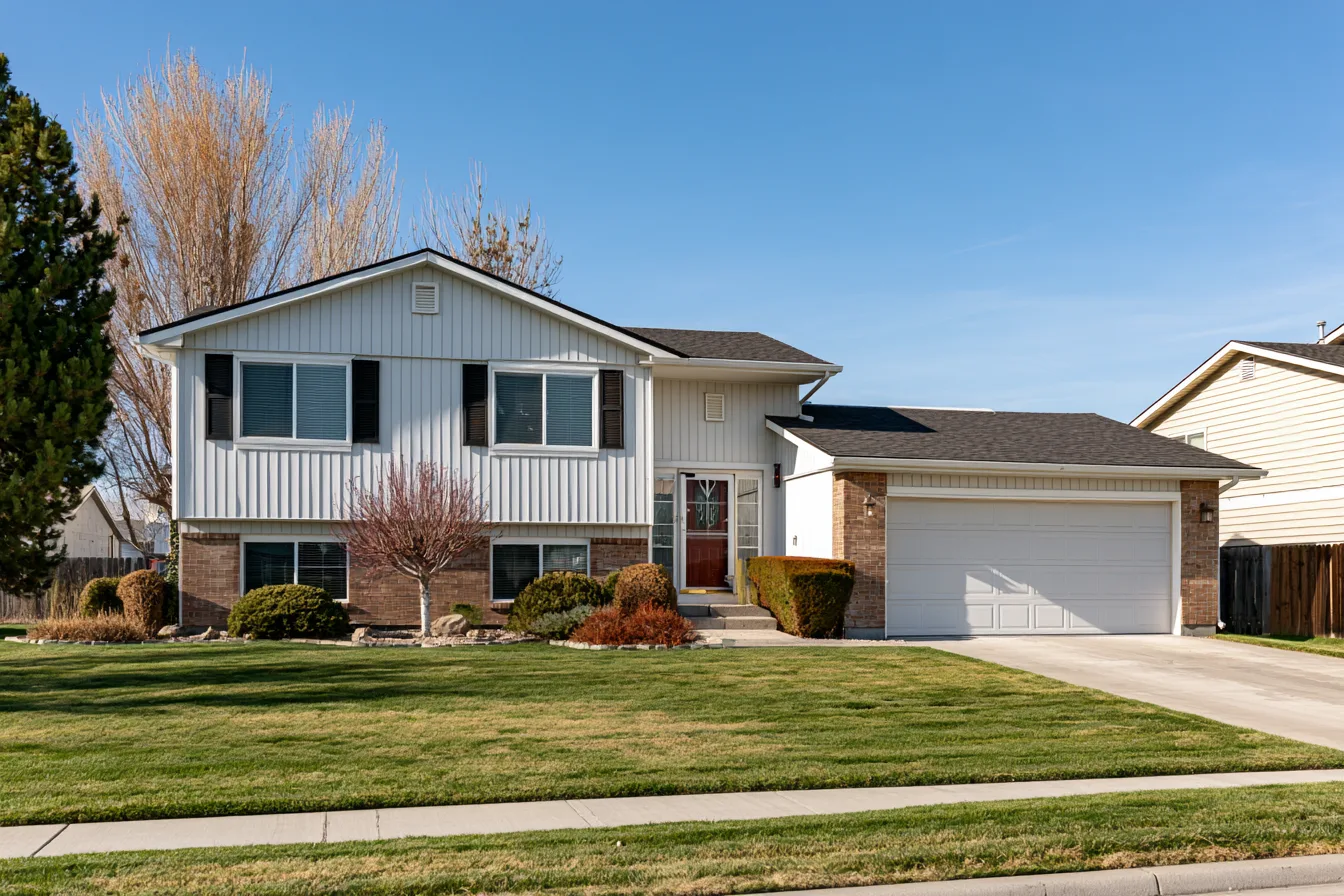
Roofing in Grain Valley, MO
A loose shingle, a wet ceiling or a roof that needs replacing. Get clear roofing answers and a free inspection in Grain Valley.
Free roof inspections · Repair and replacement options
Roofing options that fit the work your home needs
A roof problem is easier to deal with when you know what the repair actually involves. A small opening around a vent calls for different work than worn shingles across a slope. We look at those details and explain the choices in plain language, so a leak doesn't turn into a whole-roof decision by default.
Grain Valley sits east of Kansas City along Interstate 70. We help homeowners here with repairs, replacement and storm damage, along with the flashing, ventilation and roof edges that make the covering work. The inspection is free. A roofer walks the roof when access is safe, checks its condition and helps you understand what needs attention.
If the roof is sound apart from one failed detail, that is the work to discuss. If a repair would have to tie into brittle shingles or damaged wood, we'll explain how that changes the options. Tell us the address and what brought you here. We can start with the roof itself.
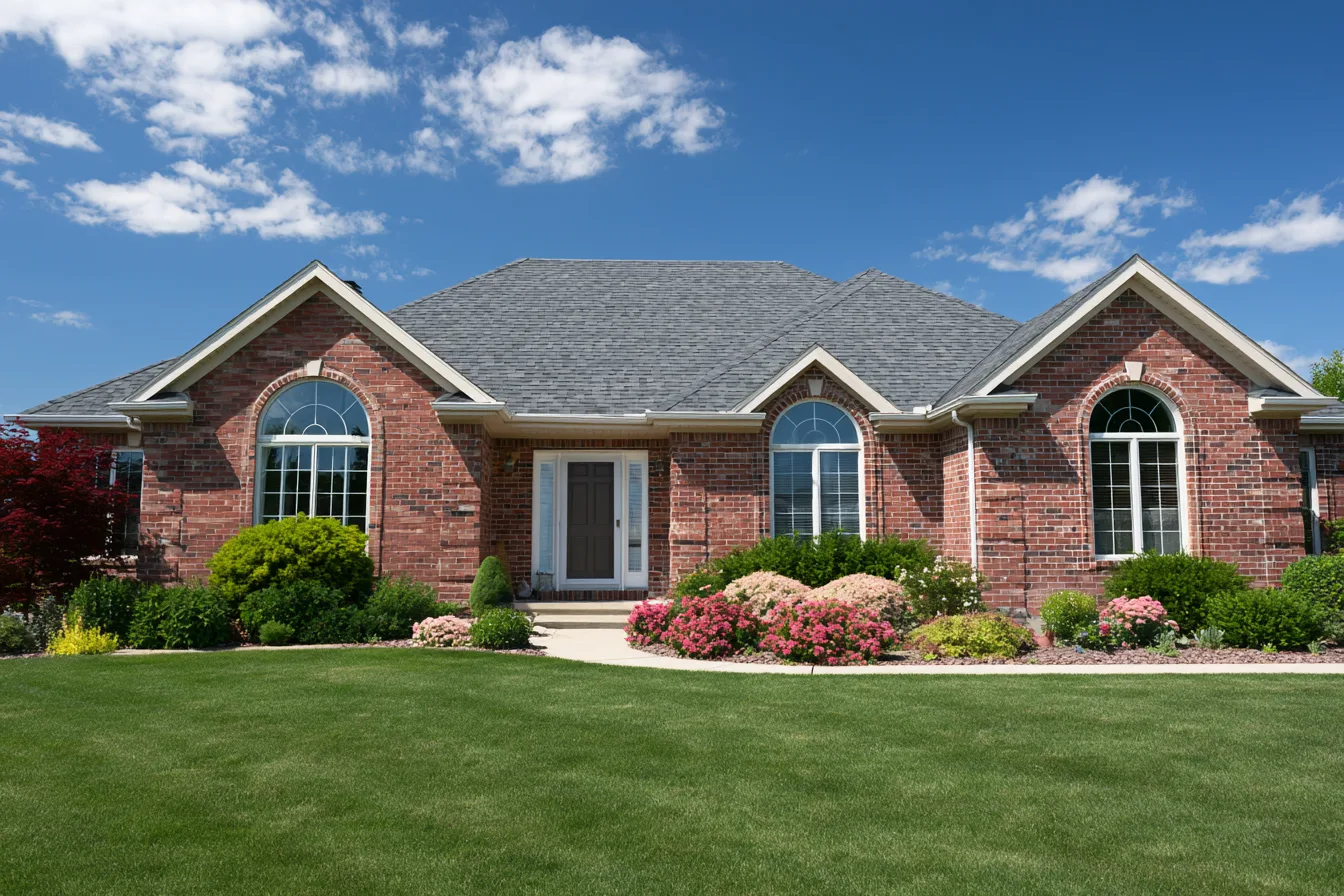
Roofing services in Grain Valley
Choose the roofing help closest to your concern. Each service explains the work and the conditions that change it.
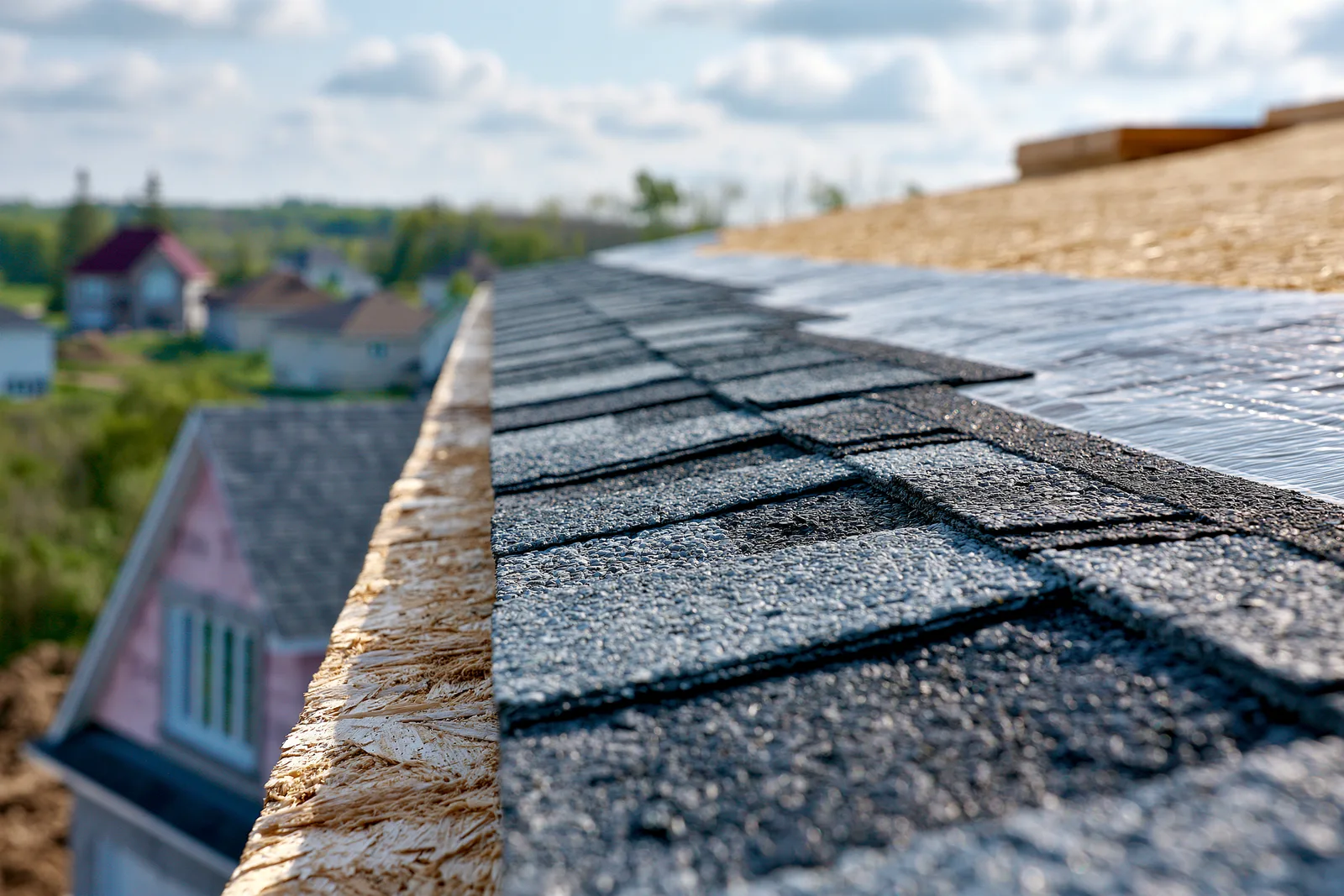
Roof replacement
A new covering, sound decking and watertight connections, planned together.
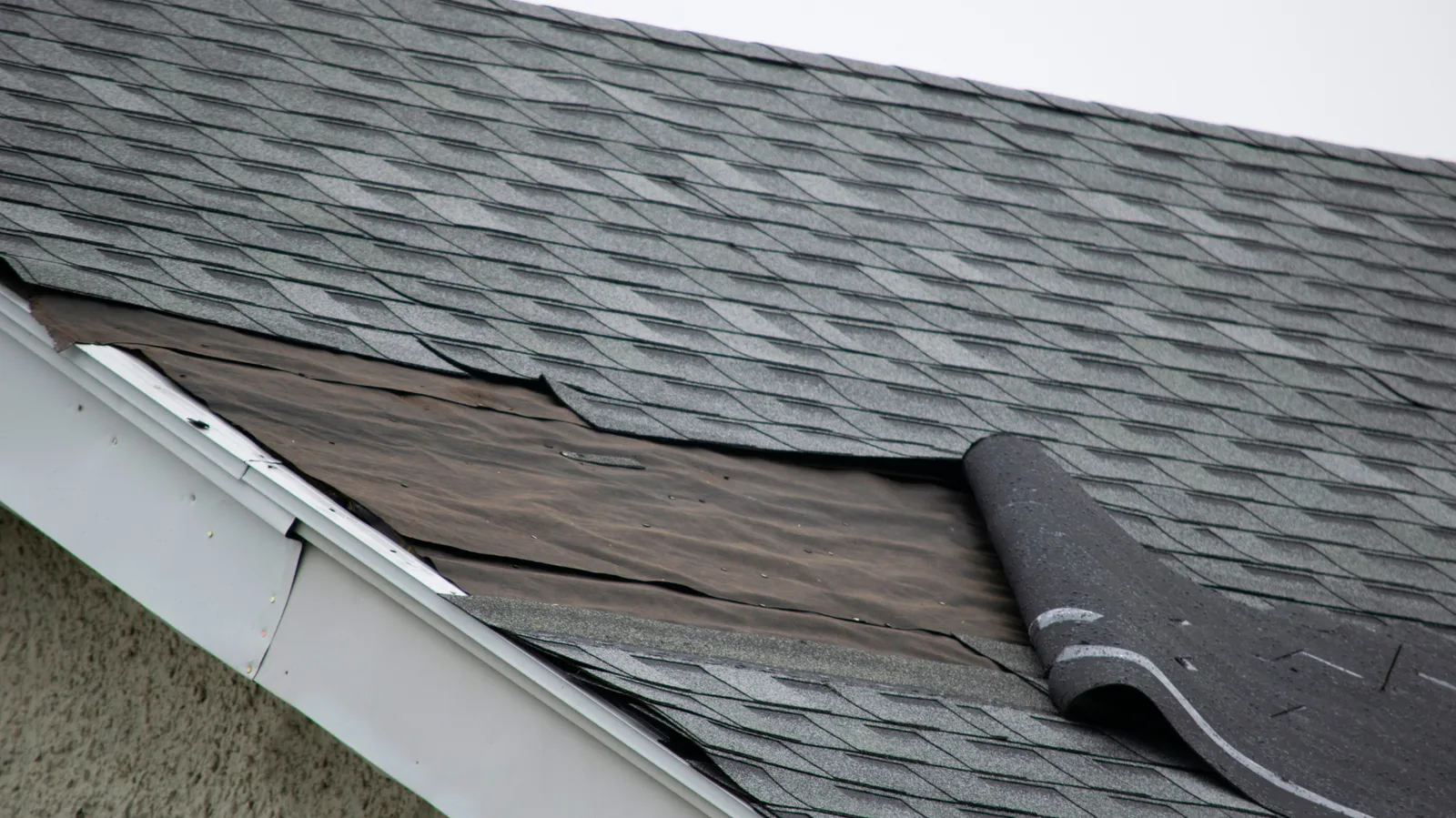
Roof repair
Find the failed detail and repair the opening that is letting water in.

Roof inspections
A free roof walk to understand damage, wear and the next sensible step.
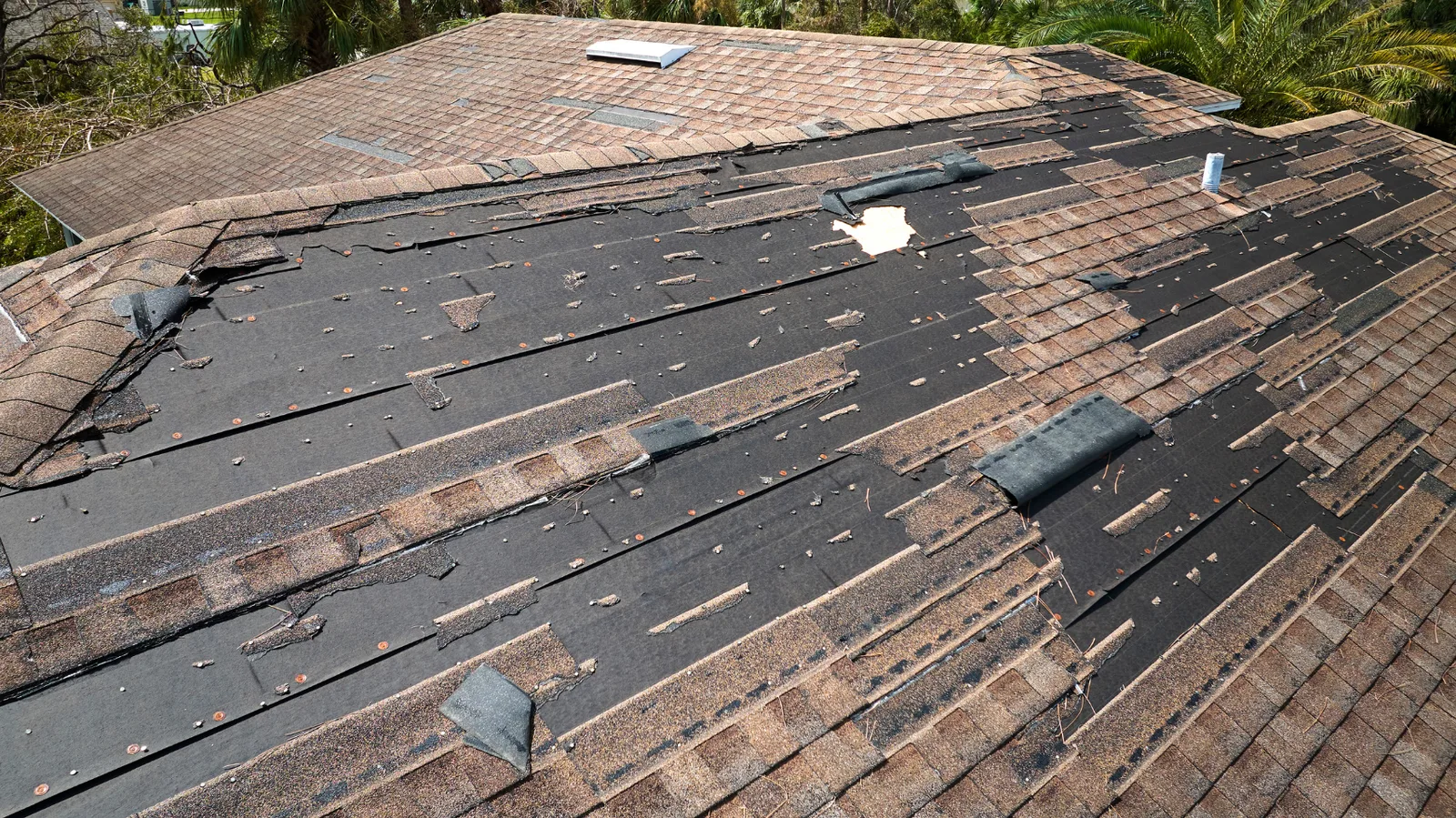
Storm damage
Check lifted shingles, impact damage and exposed roof details after severe weather.
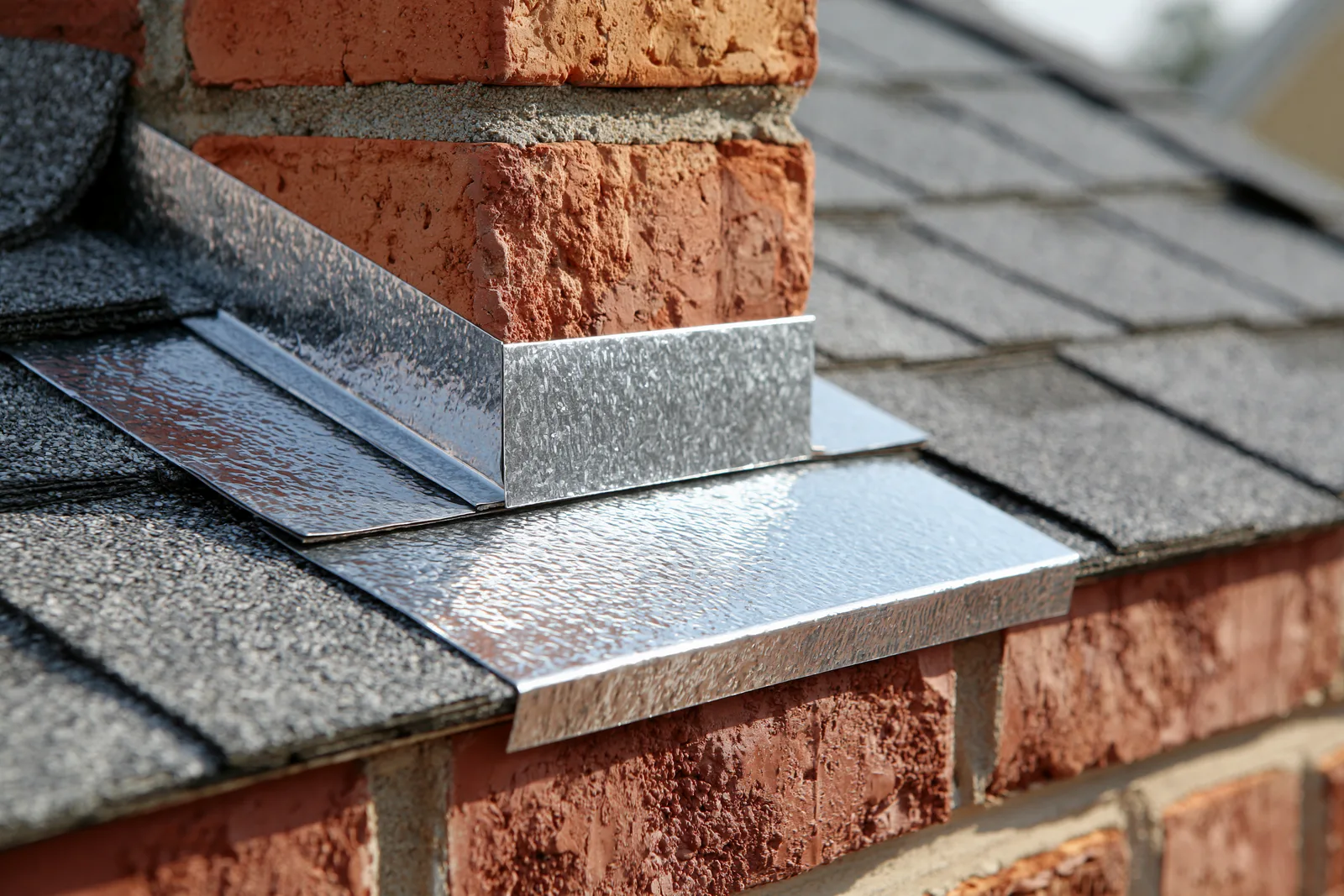
Flashing repair
Reconnect the metal details at chimneys, walls and roof intersections.
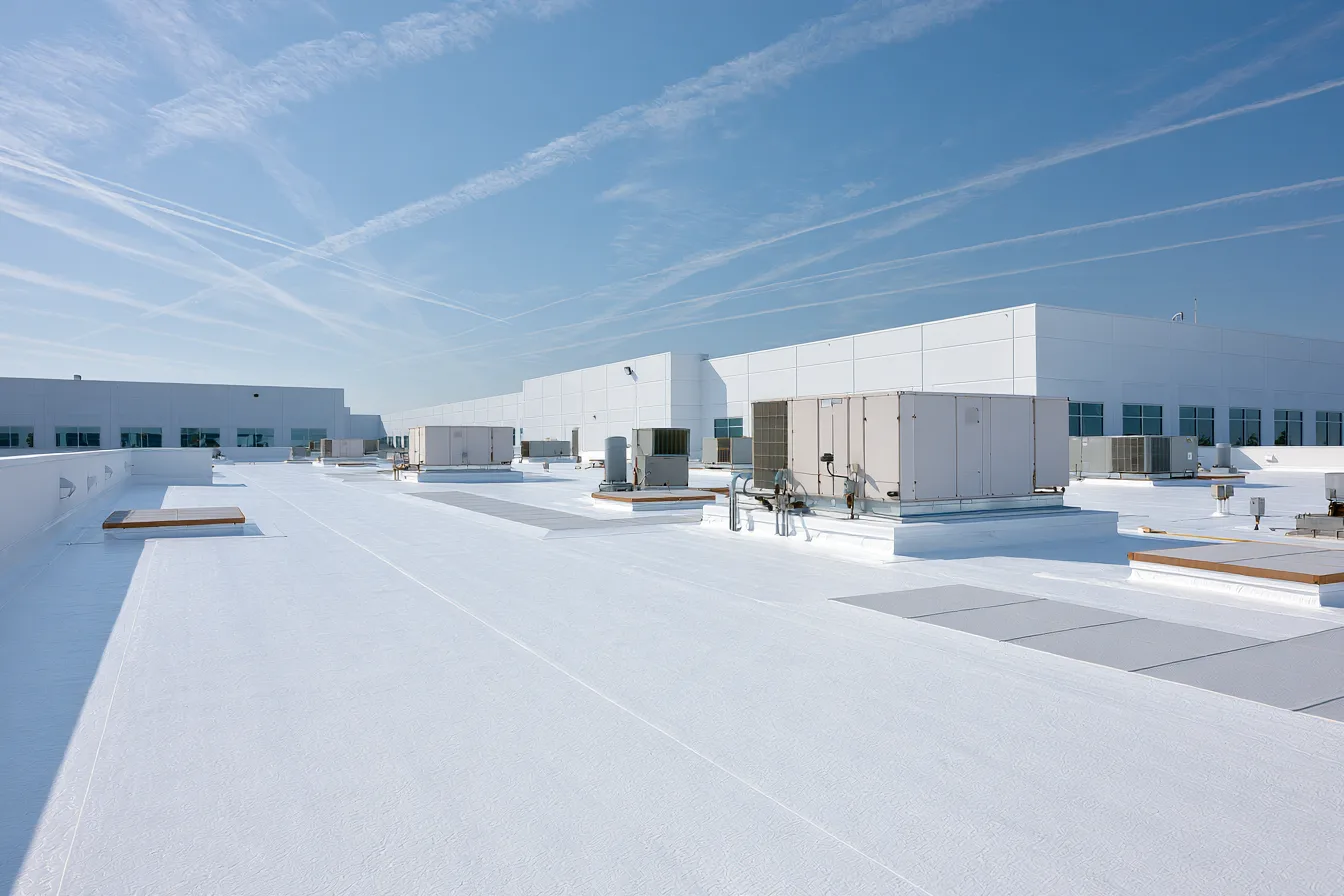
Commercial roofing
Repair, recover and replacement decisions for occupied commercial buildings.
Repair or replace a roof in Grain Valley
The size of the ceiling stain does not set the repair size. What matters is the failed part and the roof around it.
- A repair with a sound connection
A damaged shingle, vent boot or flashing joint can be repaired locally when the adjoining covering is workable and the deck can hold the repair. The repair has to shed water back onto the roof, rather than rely on a bead of sealant over the symptom.
- A wider area of work
Water-damaged decking, brittle adjoining shingles or an earlier repair that cuts across several details can widen the opening. We explain what has to come off and where sound material begins before treating it as a simple patch.
- Replacement worth planning
When deterioration reaches across the roof, replacing the covering gives access to decking, underlayment and flashings together. Material choice, removal, roof shape and underlying repairs all affect the budget.
- Roof area, shape and access
Measured roof surface sets the amount of covering and underlayment. It differs from house floor area because slope and overhangs add surface. Valleys, dormers and roof-to-wall joints add cutting and detail work. Height, steep slopes and limited access change safe setup and material handling, so two roofs with the same measured area can require different labor.
- Removal and work below the shingles
Tear-off means removing and disposing of existing covering before the deck can be checked. Extra layers add removal and disposal work. Soft wood needs replacement so new fasteners have a sound base, and its extent can remain hidden until the covering comes off. Flashing that cannot connect reliably to the new roof also needs rebuilding. Those findings change the work and budget; the inspection and agreed scope make the difference clear.
Roof Materials and Assemblies in Grain Valley
Shingles shed the main flow of rain. Underlayment protects the deck beneath them, flashing directs water around interruptions, and intake and exhaust vents let the attic move air. Replacing one part without understanding its connections can leave the original problem in place.
During roof replacement, we consider the roof as an assembly, including the eaves, valleys and penetrations. The shingle options guide explains material choices, while the roof cost calculator gives a useful starting budget for architectural asphalt roofing.
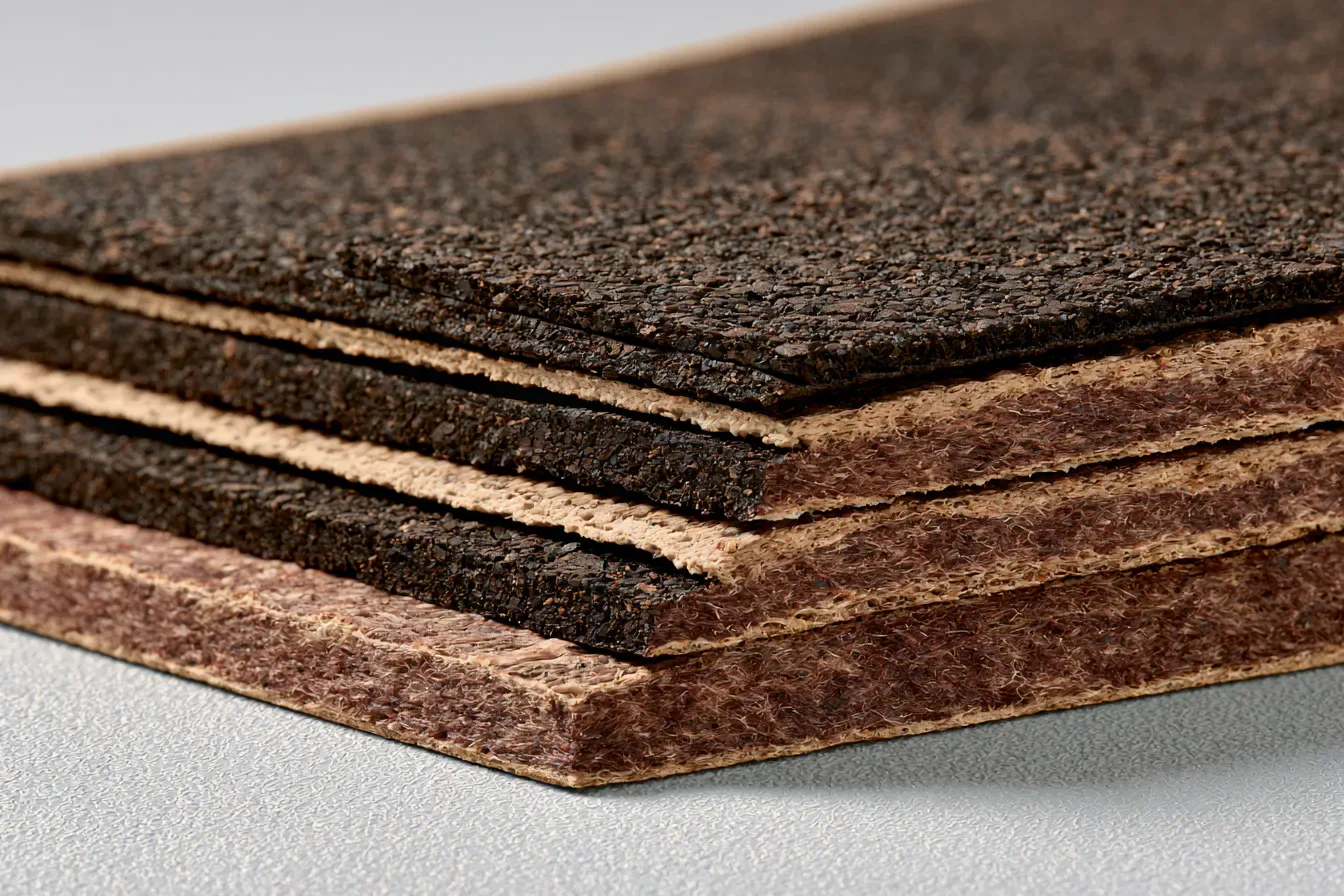
- Architectural asphalt shingles
Layered asphalt shingles give a dimensional profile and fit many pitched residential roofs. They need a suitable slope, sound deck, correct fastening and connected flashing. For a local repair, compatibility with the existing covering matters before color choice. Weathering can leave a visible color difference even when the new shingle fits the system.
- Impact-rated shingle choices
An impact-rated shingle offers performance under a defined test, with profiles and colors that vary by product. The rating does not make the roof immune to hail. Product instructions and the complete installation still matter, and any insurance treatment depends on the actual policy. A stronger rating does not repair an unsuitable deck or flashing connection.
- Metal roofing options
Metal offers a different appearance and assembly, with standing-seam or other panel profiles that need their own fastening, trim and underlayment. Temperature movement has to be accommodated at clips, seams and penetrations. Switching from shingles changes those details and the installation work; it is not a substitution at an asphalt-shingle rate.
Storm damage and a roof that is leaking now
- 01
Keep clear of the hazard
Stay out of rooms with a sagging ceiling and away from wet electrical equipment. Do not climb onto a storm-damaged roof. Tell us if water is actively coming in.
- 02
Check the covering and its details
Wind can lift or crease shingles; hail can damage the shingle surface and mat. A roof inspection checks the covering and exposed details rather than assuming damage from a nearby report.
- 03
Separate protection from repair
Temporary protection limits exposure while permanent work is arranged. The finished repair still needs sound connections to the surrounding roof. Insurance coverage depends on the cause and policy.
Commercial roof decisions in Grain Valley
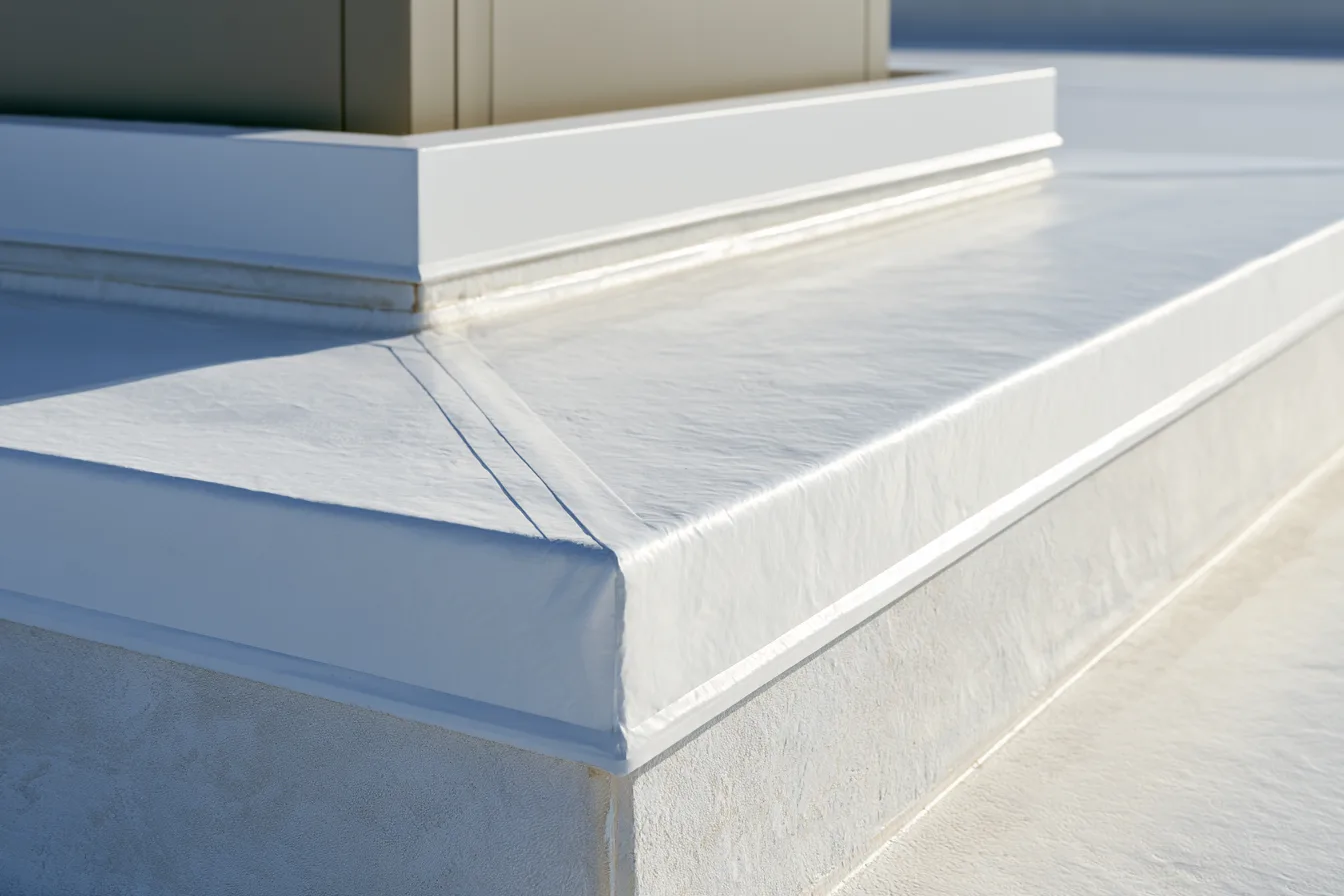
A leak over a stockroom, office or customer area affects more than the ceiling. We look at membrane seams, drains, roof edges and equipment curbs, then discuss repair or replacement in terms of the building and its use.
A coating needs a compatible, dry and stable roof beneath it. Saturated insulation or widespread attachment problems call for a different scope. Planning access, work areas and rooftop equipment keeps those conditions in the roofing conversation.
Roofing service across Grain Valley
Use the map to locate your property in Grain Valley. Service-area pages give useful orientation for mapped parts of the city and explain the roof questions we can help with.
Grain Valley roofing FAQs
Can a roof leak be repaired without replacing the whole roof?
Yes, when the leak comes from a localized defect and the surrounding roof supports a lasting repair. Brittle shingles, wet wood or wider deterioration change that answer. Our roof repair page explains the work behind the decision.
Is the roof inspection free?
Yes. Request a free inspection and tell us the property location and concern. A roofer walks the roof when the conditions allow safe access.
What affects the cost of a new roof?
Measured roof area, slope, removal, access and decking repairs affect the work, along with the material and details at valleys, walls and penetrations. The roof cost guide explains those costs without treating house floor area as roof area.
Talk about your roof in Grain Valley
Tell us where the property is and what you've noticed. Call (816) 355-5912 or request a free inspection so we can look at the roof and explain the work.